
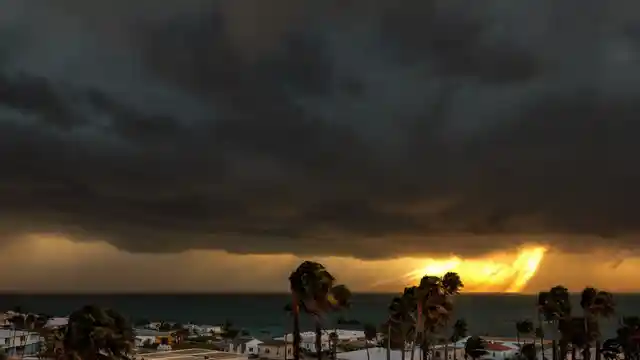
Hurricane season runs from the start of June to the end of November. That is half the year, and it covers the busiest part of most Florida agents' calendars. Yet the majority of Florida transactions are structured as though weather is an edge case — closing dates set with no slack, insurance bound the week of closing, and no conversation with the client about what happens if a storm forms while their money is in escrow.
The agents who lose the fewest deals in September are not lucky. They run a different process from June onwards, and most of it costs nothing.
The box: how a storm reaches your transaction
A storm does not need to make landfall to break your closing. It reaches you through four separate channels, and they trigger at different moments.
Insurance binding stops first. Carriers suspend writing or increasing coverage once a named storm enters a defined area or a watch or warning is issued for the county. This typically happens days before anything else and it is the channel that stops closings.
Inspection and appraisal capacity evaporates. Before a storm because everyone is preparing, after because every adjuster, inspector and appraiser in the state is oversubscribed.
Lenders impose reinspection requirements. Once an area is declared a disaster area, most lenders require a reinspection of the collateral before funding, even where the property is visibly undamaged.
Everything else slows. Closing agents, association managers, county recording, utility transfers, movers. People evacuate, offices close, power goes out.
Understanding this ordering is the whole game, because it tells you that your defensive move — binding coverage — has to happen well before the moment you would naturally think about it.
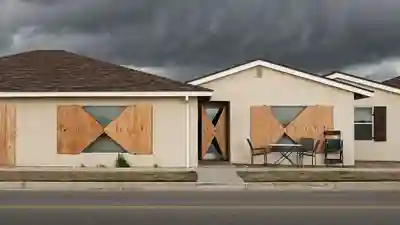
Binding suspensions and why they stop closings
A binding suspension is a carrier-imposed freeze on writing new coverage or increasing existing coverage in an area under threat. Precise triggers vary by carrier — a named storm within a defined distance, or a watch or warning issued for the county — and the freeze usually lifts once the watch or warning is cancelled.
The chain is short and unforgiving. No bound coverage means no lender funding. No funding means no closing. It does not matter that the buyer is qualified, the title is clear and everyone is at the table.
The defence is simply to bind early:
- Quote in the first days of the contract, as a matter of routine, all year.
- Bind as soon as the carrier will allow rather than the week of closing. Coverage that starts on the closing date can usually be bound well in advance.
- From June to November, treat "we'll sort the insurance out before closing" as an unacceptable answer.
- If a storm forms and you are not yet bound, find out immediately whether your carrier has suspended and what their trigger is. Sometimes you have hours.
One nuance worth knowing: a suspension typically blocks new or increased coverage, not coverage already in force. That is why the early bind is so valuable — it puts you on the right side of the line before the line exists.
The transaction timeline that survives a storm
From June onwards, restructure the standard file:
- Front-load inspections. Schedule the home inspection, wind mitigation and four-point in the first days rather than the last days of the inspection period.
- Quote insurance on day one and bind as early as the carrier permits.
- Order the appraisal immediately. Appraisal capacity is the first thing to disappear.
- Order the estoppel and submit the association application immediately. These have no slack of their own.
- Build in realistic slack. A closing date with four days of margin in September is a closing date that will move.
- Have your extension addendum ready. Not drafted during a watch, when nobody is answering their phone.
- Keep a current contact sheet for every live file — mobile numbers, and a second contact for each party. When power and internet go, email stops working and text still gets through.
During the storm: what to do with a live contract
Client safety is not your professional responsibility and it is your human one. Say the obvious thing first: the house is insured, they are not, follow the evacuation order. Then handle the file.
A practical sequence once a watch is issued:
- Triage by exposure. Which files are unbound? Which close within ten days? Which have appraisal or inspection scheduled in the window? Those are your calls, in that order.
- Contact every client with a live contract before they contact you, and tell them what you know and what you do not.
- Talk to the closing agent and lender early about extension mechanics, rather than after the storm when everyone is calling at once.
- Get extensions signed in advance where it is clear a date will not hold. It is far easier to sign an addendum on Monday than to find both parties on Thursday.
- Document everything. When a deadline is missed because a county office was closed, a written trail matters.
- On listings, protect the property. Shutters, patio furniture, and a conversation with the seller about their obligation to maintain the property through closing.

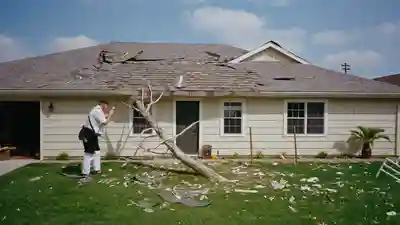
After the storm: reinspections, appraisals and repairs
The sequence after a storm is reinspection, then repair, then re-underwriting — and it applies to undamaged properties too.
Lender reinspection. In a declared disaster area most lenders require confirmation that the collateral is intact before funding. Even on a property with no damage this adds days, because every lender in the state is ordering the same thing from the same pool of inspectors.
Insurance re-underwriting. Carriers may re-inspect before binding, or decline to bind on a property with visible damage until it is repaired.
Damage on a property under contract. Now the contract's casualty provision governs, and this is where reading it in June rather than October pays off.
Capacity. Roofers, adjusters, contractors and inspectors are all booked. A repair that takes a week in April takes a month in October. Do not agree to a timeline you cannot source labour for.
Appraisal. Post-storm appraisals in an affected area can come with conditions or require reinspection after repairs.
Casualty clauses, extensions and who bears the risk
Standard Florida residential contracts contain a casualty provision addressing loss to the property before closing. The typical structure places the risk of loss on the seller up to a defined repair threshold — commonly expressed as a percentage of purchase price — with specified remedies where damage exceeds it, and it interacts with force-majeure style provisions extending time when performance is prevented.
Read the actual clause in the actual contract, because the version your brokerage uses may differ and the amounts matter. And get the parties to counsel early where damage is significant. The worst outcome is two parties arguing from opposite assumptions three days before a closing that cannot happen.
What you can do without practising law:
- Know your form's casualty and extension language before June.
- Explain it to both sides at contract, not after a loss.
- Where a storm is approaching and a date is at risk, propose an extension proactively.
- Document the property's condition before the storm. Photographs with timestamps settle a great many arguments.
Selling a property that took damage
A damaged property is not unsellable; it is a different product with different buyers, and the mistakes are predictable.
- Disclose fully. Damage, claims filed, repairs made, and by whom. Florida disclosure obligations and the flood disclosure requirement both apply, and a concealed claim is a lawsuit.
- Understand the insurance position before listing. Whether the claim is open, whether proceeds have been paid, and whether they follow the property or the seller. An open claim complicates a sale considerably.
- Repair with permits. Unpermitted post-storm repair is one of the most common defects in Florida title and inspection work, and it will surface later.
- Expect a narrower buyer pool. A property with unrepaired damage may not be insurable, and therefore may not be financeable, which puts it in the cash market.
- Keep the paperwork. Permits, invoices, warranties, adjuster reports. Documentation is what turns "storm damaged" into "storm repaired, permitted, warranted" — and those are very different listings.
Communicating with clients when nobody knows anything
The hardest part of a storm is the three days when there is no information and clients want some anyway. Silence is the worst option: an anxious buyer with no news assumes the worst and calls somebody else.
What works is a scheduled, honest, low-content update. "Here's what I know as of this morning, here's what's still unknown, here's what I'm doing today, and I'll update you tomorrow at the same time whether or not anything has changed." Then do it.
Say plainly what is out of your hands — carrier suspensions, closed county offices, lender reinspection queues — and be specific about what you are doing anyway. Prioritise: unbound files first, imminent closings second, everything else after. And check on clients as people. The agent who asked whether their family got out safely is the agent they refer for the next decade.
The June-to-November playbook
Condensed to a checklist you can run every year:
- Before June: reread your contract's casualty and extension language. Confirm each lender's post-disaster reinspection policy. Ask your insurance partners for their binding-suspension triggers in writing. Prepare an extension addendum template and a client communication template.
- On every new contract: quote insurance day one, bind as early as permitted, front-load inspections and appraisal, build slack into the closing date, collect two contact methods for every party.
- When a storm forms: triage by binding status and closing proximity. Contact every live client. Get extensions signed early. Document property condition.
- After: account for every client and property. Order reinspections immediately. Reset expectations on timelines honestly. Keep the daily update running until things are normal.
Every item there is simple. What makes it hard is that it has to happen across every live file at once, in a week when the internet is patchy and your calendar is meaningless. That is the specific problem Heykeyper is built for — holding each file's binding status, inspection dates and closing deadline together so that when a watch is issued you can see in seconds which deals are exposed and who needs the first call.
Frequently asked questions
Can you close on a house in Florida during a hurricane watch?
Usually not, because insurers suspend binding new coverage once a storm enters a defined area or a watch or warning is issued for the county, and lenders will not fund without bound coverage. Contracts commonly extend in that situation, but the mechanics depend on the specific contract and the lender.
What is an insurance binding suspension?
It is a carrier-imposed freeze on writing or increasing coverage in an area under threat from a named storm. It typically lifts once the watch or warning is cancelled. It is the single most common reason Florida closings slip in September and October.
Does a hurricane delay a Florida closing?
Often. Even without damage, a federally declared disaster area usually triggers lender-required reinspections before funding, and appraisers, inspectors and closing agents are all suddenly oversubscribed. Build extension language and realistic expectations in before the season.
Who pays if a house is damaged before closing in Florida?
That is what the casualty provision of the contract decides. Standard Florida forms generally put the risk of loss on the seller up to a specified repair threshold, with defined remedies above it. Read the actual clause in the actual contract — and get the parties talking to counsel early rather than arguing after the fact.
How should Florida agents prepare for hurricane season?
Bind insurance early in every transaction, front-load inspections, keep an extension addendum ready, know each lender's post-disaster reinspection policy, and keep a current contact list for every client with a live contract so you can reach them when the power is out.
How does Heykeyper help during hurricane season?
It tracks each live deal's binding status, inspection dates and closing deadline together, so when a watch is issued you can see in seconds which files are exposed and who needs a call first.
This guide is general information for real estate professionals, not legal, tax or insurance advice. Florida statutes and local ordinances change — verify current requirements for the specific property, association and county, and refer clients to their attorney, CPA or licensed insurance agent for advice on their situation.