
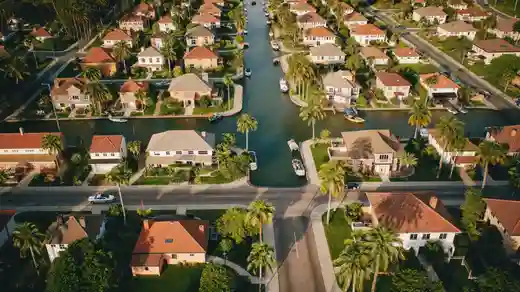
Flood is the risk Florida agents are most likely to describe with a single letter and least likely to actually understand. "It's in X, so we're fine." "It's AE, so it'll be expensive." Both statements skip the part that determines the answer, which is not the zone at all — it is how the structure sits relative to the elevation the zone is measured against.
That distinction matters commercially. Two houses on the same street, in the same zone, can carry flood premiums that differ by a factor of five. If you cannot explain why, you cannot advise a buyer, and you certainly cannot defend a listing price.
Flood zones: what the letters actually mean
FEMA flood maps divide land into zones by flood risk. For working purposes:
- Zones A and AE are special flood hazard areas — high risk. AE has a determined base flood elevation; several A variants do not. Federally backed mortgages on structures here generally require flood insurance.
- Zones V and VE are coastal high-hazard areas subject to wave action. Highest risk, strictest construction requirements, highest premiums.
- Zones X, B and C are moderate-to-low risk. Flood insurance is not typically mandated by lenders here.
- Zone D means the risk is undetermined, which is not the same as low.
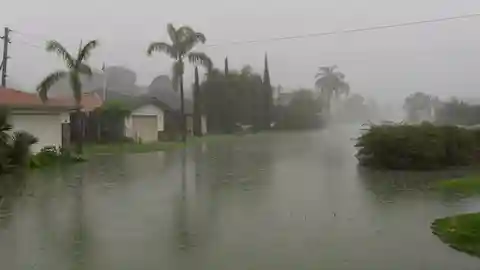
Two things to hold onto. First, a very large share of Florida flood claims come from properties outside the high-risk zones — the maps model particular flood sources, and rainfall that has nowhere to drain is not always one of them. "Not in a flood zone" is a statement about a map, not a promise about water. Second, maps change. A property's zone is a current fact, not a permanent characteristic.

Base flood elevation and why two neighbours pay differently
Base flood elevation, or BFE, is the height floodwater is modelled to reach in the base flood event for that location. The number that prices the risk is the relationship between the structure's lowest floor and that BFE.
A house whose lowest floor sits several feet above BFE is a very different risk from an identical house sitting a foot below it, even though both share a zone designation. This is why the neighbour comparison your seller keeps making is usually meaningless, and why the answer to "what will flood insurance cost?" is genuinely "I don't know yet — let's find out."
Since FEMA's move to its current risk-rating methodology, pricing has become more property-specific still, factoring in distance to a flood source, replacement cost, and the individual structure's characteristics rather than assigning a rate by zone alone. The practical upshot: zone-based rules of thumb are worth less than they used to be, and actually quoting is worth more.
The elevation certificate: what it is and who orders it
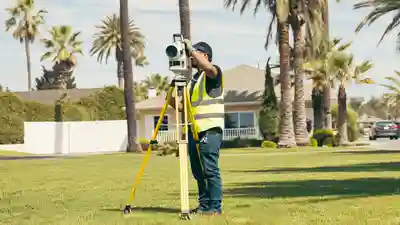
An elevation certificate is a surveyor's document recording the elevations of a structure — lowest floor, lowest adjacent grade, machinery and equipment — against the BFE. It is prepared by a licensed surveyor or engineer.
It is not universally required any more, and some agents have concluded from that it no longer matters. That is the wrong conclusion. What an elevation certificate does is prove the thing that most reduces premium. Where a structure is comfortably above BFE, the certificate is the document that turns "probably fine" into a lower quote. Where it is below, you have discovered something your buyer needed to know while they still had remedies.
Two practical notes. First, ask the seller whether one exists — many do, filed away from a previous purchase or a permit. Second, if you need one, order it early. Surveyors get busy, and they get busiest exactly when everyone else needs one too.
Florida's flood disclosure requirement
Florida law requires sellers of residential real property to give the buyer a flood disclosure at or before the time the contract is executed. Broadly, it addresses whether the seller has filed a flood-damage insurance claim on the property and whether federal flood assistance has been received.
Three points of practice:
- Use the current statutory form language. Do not improvise a paragraph. Your brokerage or your forms provider will have the approved version; keep it in the standard listing packet so it is never a special step someone forgets.
- Deliver it at or before contract. The timing is part of the requirement, not a formality.
- Disclosure is not a substitute for diligence. A seller who has owned for three years and never claimed can honestly complete the form on a property that has flooded repeatedly under previous owners. Encourage buyers to look further — prior claim history is obtainable, and neighbours and local officials know things maps do not.
Handle this as a routine part of the file rather than as a legal edge case, and it will never become one.
NFIP, private flood, and what actually gets quoted
Flood coverage is excluded from standard homeowners policies. It is bought separately, and there are two markets.
The National Flood Insurance Program is the federal programme. Coverage limits are capped, which matters on higher-value homes, and contents coverage is separate and also capped. There are waiting periods before coverage takes effect, with limited exceptions such as a purchase closing.
Private flood insurance has grown into a genuine market in Florida. Private carriers frequently beat NFIP on price, offer higher limits, and can include coverage NFIP does not — additional living expenses, for example. Lenders accept qualifying private policies. The trade-off is that private carriers underwrite, which means they can decline, and they can non-renew.
Quote both. An agent who quotes only NFIP because that is the habit is routinely leaving real money on the table, and an agent who assumes private will be cheaper is sometimes wrong.
One myth worth killing: the seller's low legacy premium. NFIP policies have historically been assumable, and in specific circumstances that still helps. But pricing reform means an inherited policy no longer reliably preserves an old, deeply subsidised rate the way agents remember it doing. Quote the buyer's own coverage. Never let a listing imply a premium the buyer will not actually get.
When the lender forces flood insurance
A lender making a federally backed loan will require flood insurance where the structure sits in a special flood hazard area. The determination is made against the current map, by a flood determination service, and it is about the structure, not the parcel — a lot can clip a zone boundary while the house sits outside it.
Where this bites in practice:
- The determination comes back differently from what the listing said, usually because the listing repeated what the seller believed.
- Forced coverage changes the monthly payment and therefore the qualification.
- The buyer, having been told "it's not in a flood zone," now believes somebody misled them.
The prevention is boring and effective: verify the zone yourself from the current map for the structure, early, and tell the buyer what you find rather than what the listing says.
Map changes, LOMA and LOMR-F
Flood maps are revised. A property can move into a high-risk zone — which is how an owner learns their lender now requires coverage they have never carried — or out of one.
Where a structure has been mapped into a special flood hazard area but is genuinely on naturally high ground, a Letter of Map Amendment can remove it. Where the ground was raised by fill, the equivalent is a Letter of Map Revision based on Fill. Both are evidence-based applications supported by survey data, and both can eliminate the mandatory purchase requirement.
You are not the person who files these. But knowing they exist makes you useful: a seller whose listing is being punished by a mapping that does not reflect the actual elevation has a remedy, and pointing them to a surveyor is a better answer than another price reduction.
The deal workflow: flood questions in the first 72 hours
Compress all of the above into a short, repeatable sequence:
- Before offer: check the current flood map for the structure. Ask the seller's agent whether an elevation certificate exists and whether the property has flooded or been claimed on.
- Day 1: flood quotes requested — NFIP and private — alongside the homeowners quote. They are separate policies and separate conversations.
- Day 1–3: statutory flood disclosure delivered and in the file. Elevation certificate ordered if the property is in a special flood hazard area and none exists.
- Day 3–7: quotes in hand and compared against the buyer's budgeted payment. Any problem surfaced while the inspection period is open.
- Before the financing deadline: lender's flood determination confirmed and consistent with what you told the buyer.
The purpose, exactly as with homeowners insurance, is to convert surprises into decisions while remedies still exist.
How to talk to buyers about flood risk without losing the sale
Agents avoid this conversation because they think it kills deals. In practice, vagueness kills more deals than candour does, and it kills them later and more expensively.
What works is framing flood as a known, priceable, manageable variable rather than an omen. "This one is in AE. That means the lender will require flood coverage. What it costs depends on how high the house sits, which the elevation certificate will tell us — and we should get that before we're too far in, because it can swing the number a lot." That is a professional talking about a normal Florida property characteristic.
Some further habits worth having:
- Distinguish flood risk from wind risk. Buyers conflate them constantly and they are separate zones, separate policies and separate deductibles.
- Talk about the structure, not the zone. Elevation is the argument.
- Never say "it doesn't flood." Say what the map shows, what the disclosure says, what the claim history shows, and what the neighbours say.
- Suggest voluntary coverage outside high-risk zones, particularly in low-lying inland areas where drainage, not surge, is the exposure.
- Document what you told them and when. In a state with this much water, a written trail is protection for everybody.
Every item in that list is a small piece of information generated on a particular day and needed on a later one. Heykeyper is built to carry exactly that: the zone you verified, whether the elevation certificate was ordered, which carriers were quoted and what they came back with, and whether the statutory disclosure has actually been delivered — surfaced before the deadline that depends on it, not after.
Frequently asked questions
Does Florida require sellers to disclose flood risk?
Yes. Florida law requires sellers of residential real property to give the buyer a flood disclosure at or before the time the sales contract is executed, covering matters such as prior flood damage and whether the seller has received federal flood assistance. Use the current statutory form language and keep it in your listing packet rather than improvising.
What does flood zone AE mean in Florida?
AE is a special flood hazard area — a high-risk zone where a base flood elevation has been determined. Federally backed mortgages on properties in an AE zone generally require flood insurance. How expensive that insurance is depends heavily on how the structure sits relative to the base flood elevation.
Is flood insurance required in Florida?
Not by the state, but a lender will require it for a federally backed loan when the structure sits in a special flood hazard area. Plenty of Florida flood claims come from properties outside those zones, which is why many buyers carry it voluntarily.
Do I need an elevation certificate to buy a Florida home?
It is not universally required, but it is often the single most useful document you can put in front of an underwriter. It documents the structure's elevation against the base flood elevation and can materially change the premium — or show that the risk is lower than the map implies.
Can a buyer keep the seller's flood insurance policy?
NFIP policies have historically been assumable, and in specific cases that still helps, but pricing reforms mean an inherited policy no longer reliably preserves a low legacy premium. Quote the buyer's own coverage rather than assuming the seller's number carries over.
How does Heykeyper help with flood and disclosure items?
It keeps the flood track of each file — zone, whether an elevation certificate was ordered, which carriers were quoted, and whether the statutory disclosure has been delivered — and reminds you before the inspection or financing deadline passes.
This guide is general information for real estate professionals, not legal, tax or insurance advice. Florida statutes and local ordinances change — verify current requirements for the specific property, association and county, and refer clients to their attorney, CPA or licensed insurance agent for advice on their situation.