

Ask a room of Florida agents what killed their last failed closing and you will hear about financing, or insurance, or an inspection. Ask what delayed their last five closings and the answer is almost always the same: an association. Not a hostile board, not a rejected buyer — just a management company that took eleven business days to produce a document, and a board that meets on the second Tuesday, and a closing date that was agreed by people who never asked about either.
Association work is the least glamorous track in a Florida transaction and the one most likely to make you miss a date. It is also, unusually, almost entirely controllable — provided you start it on day one instead of day eighteen.
Why association paperwork stalls Florida closings
Three structural reasons, and it helps to know them because they tell you where to push.
The work is done by people with no stake in your closing. On the other end of your request is usually one licensed manager handling a portfolio of associations, working through a queue. Your urgency is not their urgency, and no amount of it will change their queue position. What changes it is being early.
Some steps are calendar-bound, not effort-bound. If approval requires a board vote and the board meets monthly, no amount of chasing produces a decision in week two. You are not waiting on work; you are waiting on a date.
The sequence is serial. The application cannot be processed until the documents are complete. The interview cannot be scheduled until the application is processed. The approval letter cannot issue until the interview happens. Every step that slips pushes everything behind it, and the slack is at the end — where your closing date lives.
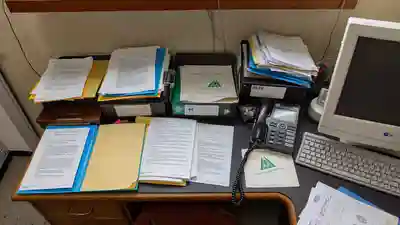
The estoppel certificate: what it is, what it costs, how fast
An estoppel certificate is the association's written statement of exactly what a unit or parcel owes as of a stated date: regular assessments, any special assessment, transfer and capital contribution fees, violations, and any other charge. Closing agents rely on it to prorate correctly and to deliver clear title, and the association is bound by what it says.
Florida statute caps estoppel fees, sets a delivery timeframe, allows a higher cap for delinquent accounts and for expedited requests, and generally provides that the fee is forfeited if the association fails to deliver within the statutory window. Those figures have been amended, so confirm the current cap and window rather than quoting a number from memory to a seller who will hold you to it.
What to actually do:
- Order it the day the contract is executed. Not when the title company asks. The statutory clock is the floor, not the norm, and starting early is free.
- Watch the expiry. Estoppels are valid for a defined period. A closing that slips past it needs an update, which is another request and another wait — build that into any extension you agree.
- Read it, do not just file it. An estoppel is where a special assessment nobody mentioned finally appears in writing. If it shows something new, that is a negotiation, and you want it on day five rather than day twenty-five.
- Confirm who pays. In Florida practice the estoppel fee is customarily a seller cost, but the contract governs. Settle it in the contract, not in an argument at closing.
Association approval, interviews and the board calendar
Many Florida associations have approval rights over a sale, and some hold a right of first refusal. The process typically runs: application with fee, background and sometimes credit check, document review, occasionally an interview, then a decision and a certificate of approval.
Before you agree a closing date, get three answers:
- How long does the association state it takes to process an application? Then ask the manager how long it actually takes, which is usually a different number.
- Is an interview required, and how is it scheduled? An interview requiring a quorum of a volunteer board is a scheduling problem, not an administrative one — and if your buyer is out of state, ask now whether it can be done remotely.
- When does the board meet? If approval needs a board decision and the board meets monthly, that meeting date is effectively your closing date's parent.
Then work backwards from the closing date and put every association step on the calendar with its own deadline. The application should go in within days of contract, not after the inspection period closes.
On denials: associations cannot deny on any basis prohibited by fair housing law, and the realistic denial reasons are mundane — an incomplete application, unpaid fees, or an intended use that conflicts with leasing or occupancy restrictions. Which means most denials are preventable by reading the documents first.
The document package a buyer is entitled to
Florida buyers of association-governed property are entitled to a defined package of documents and a period in which to review them, with a right to cancel in defined circumstances. The details vary between condominium and homeowners associations and by transaction type, so follow your forms and your counsel on the specifics.
What matters operationally is that this creates a deadline you control by delivering early. Every day you delay delivery is a day the review window extends into your closing timeline. Assemble the package before the property is listed, so that the moment a contract is executed it goes out.
The package that actually protects a buyer:
- Declaration, articles and bylaws
- Rules and regulations, including any leasing and pet restrictions
- Current budget and reserve schedule
- Most recent financial statement
- Board meeting minutes for the last twelve to twenty-four months
- Any milestone inspection report and structural integrity reserve study, for condominiums
- Master insurance declarations page
- Written confirmation of any assessment levied, voted or under discussion
- The association's Q&A sheet and frequently asked questions document

Fees, transfer costs and who pays what
Association-related closing costs surprise sellers more often than any other line, because they are numerous and small individually.
Expect some combination of: the estoppel fee; a transfer or administrative fee; a capital contribution or working-capital contribution, often payable by the buyer and often a multiple of the monthly assessment; an application fee; a background check fee; a move-in fee or refundable deposit; and gate, fob or amenity access charges.
Two habits. First, surface these at listing intake so the seller's net sheet is real. Second, get them in the contract explicitly. "Buyer to pay association application and transfer fees; seller to pay estoppel fee" prevents an entire genre of closing-table argument.
Rules that kill deals: leasing caps, pets, vehicles, age
The restriction that kills a deal is almost never the one the buyer asked about. Ask these, at intake and again before the offer:
- Leasing. Minimum lease term, maximum leases per year, a waiting period before a new owner may lease, and any cap on the total number of leased units. An investor buyer who discovers a twelve-month minimum and a two-year ownership waiting period after closing has bought the wrong property.
- Pets. Number, weight, breed, and whether restrictions apply to owners as well as tenants. Distinguish pets from assistance animals, which are governed by fair housing law rather than association preference.
- Vehicles. Pickup trucks, commercial vehicles with lettering, motorcycles, boats, trailers and recreational vehicles are restricted more often than buyers expect, and the buyer with a work van finds out on move-in day.
- Occupancy and age. Communities qualifying for the housing-for-older-persons exemption have occupancy rules. Describe the property and its amenities; never steer by who lives there.
- Alterations and exterior changes. Approval requirements for flooring, impact windows, screens, paint colours and landscaping.
How to read an association budget in ten minutes
You do not need to be an accountant. Look for five things.
- The trend in the assessment. Compare this year with two and four years ago. A fee that has climbed steeply is a fee that will keep climbing.
- The insurance line. In Florida this is frequently the largest single expense and the fastest-growing. A big jump at last renewal is next year's fee increase, already visible.
- Reserves against schedule. Is the association funding to its reserve study, and what is the nearest large item? A healthy balance with a roof due in two years is not a healthy balance.
- Delinquencies. A high share of owners behind on assessments means the remaining owners cover the shortfall, and it can affect lender eligibility.
- Legal and professional fees. A line that has grown sharply usually means litigation, which has its own consequences for financing.
Then read the minutes, which is where the budget's future is discussed a year before it appears in the budget.

Contract mechanics: riders, deadlines and cure periods
Standard Florida forms handle association matters through riders and addenda, and the mechanics repay careful reading. The things to get right:
- Make the closing date realistic against the board calendar, rather than agreeing a date and hoping.
- Fix responsibility for the estoppel and each association fee explicitly.
- Understand how the document delivery and review period interacts with your other deadlines, and start it early by delivering early.
- Know what happens if approval is refused or simply not granted in time, and what notice is required.
- Address assessments levied but not yet payable, which is the most common source of post-closing disputes.
None of this is exotic drafting. It is reading the rider you already use with the association calendar in front of you.
The association track, run as a system
Run the association work as its own track with its own deadlines, parallel to financing and inspection, from the day the contract is signed:
- Day 0: estoppel ordered. Application obtained. Manager contacted; processing time, interview requirement and board meeting date confirmed in writing.
- Day 1–3: document package delivered to the buyer. Application submitted with fees.
- Day 3–5: confirm the application was received and is complete. This one call prevents the most common delay in Florida closings — an application sitting incomplete for two weeks because nobody checked.
- Weekly: chase, politely and in writing, with the closing date named.
- On receipt: read the estoppel against what the seller told you. Diarise its expiry.
- Before closing: approval certificate in hand, all fees accounted for, access arrangements made.
That is nine or ten small actions per file, most of which take under five minutes and none of which are difficult. They fail collectively for one reason: they live in someone else's inbox and nobody remembers to look. Heykeyper is built for exactly this — you tell it what the manager said, and it holds the association track for every live file, tells you when a response is overdue, and reminds you before an estoppel expiry or a board meeting date becomes the reason a closing moved.
Frequently asked questions
What is an estoppel certificate in Florida?
It is a written statement from a condominium or homeowners association confirming exactly what a unit or parcel owes as of the closing date — regular assessments, special assessments, transfer fees, violations and any other charges. Closing agents rely on it to prorate correctly and to deliver clear title.
How much can a Florida association charge for an estoppel?
Florida statute caps estoppel fees and sets a delivery timeframe, with a higher cap for delinquent accounts and expedited requests, and the fee is generally forfeited if the association misses the statutory deadline. The figures have been amended, so verify the current cap rather than quoting an old number to a seller.
How long does HOA approval take in Florida?
Anywhere from a few days to well over a month. The variables are the management company's processing time, whether an interview is required, and how often the board meets. Ask those three questions before you agree to a closing date, not after.
Can a Florida HOA deny a buyer?
Associations may have approval rights, and many have a right of first refusal, but they cannot deny on any basis prohibited by fair housing law. In practice the common denials involve incomplete applications, unpaid fees, or the buyer's intended use conflicting with leasing or occupancy restrictions.
What documents should a Florida condo buyer review?
The declaration and bylaws, rules and regulations, the current budget and reserve schedule, the last twelve to twenty-four months of board meeting minutes, the most recent financial statement, any milestone inspection or structural reserve study, and written confirmation of any assessment voted or under discussion.
How does Heykeyper help with the association track?
It holds every association deadline in the file — estoppel ordered, application submitted, interview scheduled, documents delivered — and reminds you when a response is overdue, so nothing sits in someone else's inbox until it is too late.
This guide is general information for real estate professionals, not legal, tax or insurance advice. Florida statutes and local ordinances change — verify current requirements for the specific property, association and county, and refer clients to their attorney, CPA or licensed insurance agent for advice on their situation.